Food and nutrition
How Much Protein Do Men Over 50 Need?
Protein matters, but the useful question is not how much powder to buy. It is how to spread suitable food across the day in a way you can maintain.
Why protein matters with age
Protein supplies amino acids used throughout the body and supports the maintenance of muscle alongside resistance exercise. That does not make one food, powder or number magical. Total diet, energy intake, activity and health all matter.
Why one target does not fit everyone
Body size, appetite, training, health and clinical advice affect individual needs. Instead of copying an internet target, begin by noticing whether each main meal contains a recognisable protein source. A dietitian can provide a personalised figure when that is genuinely useful.
Build a food-first day
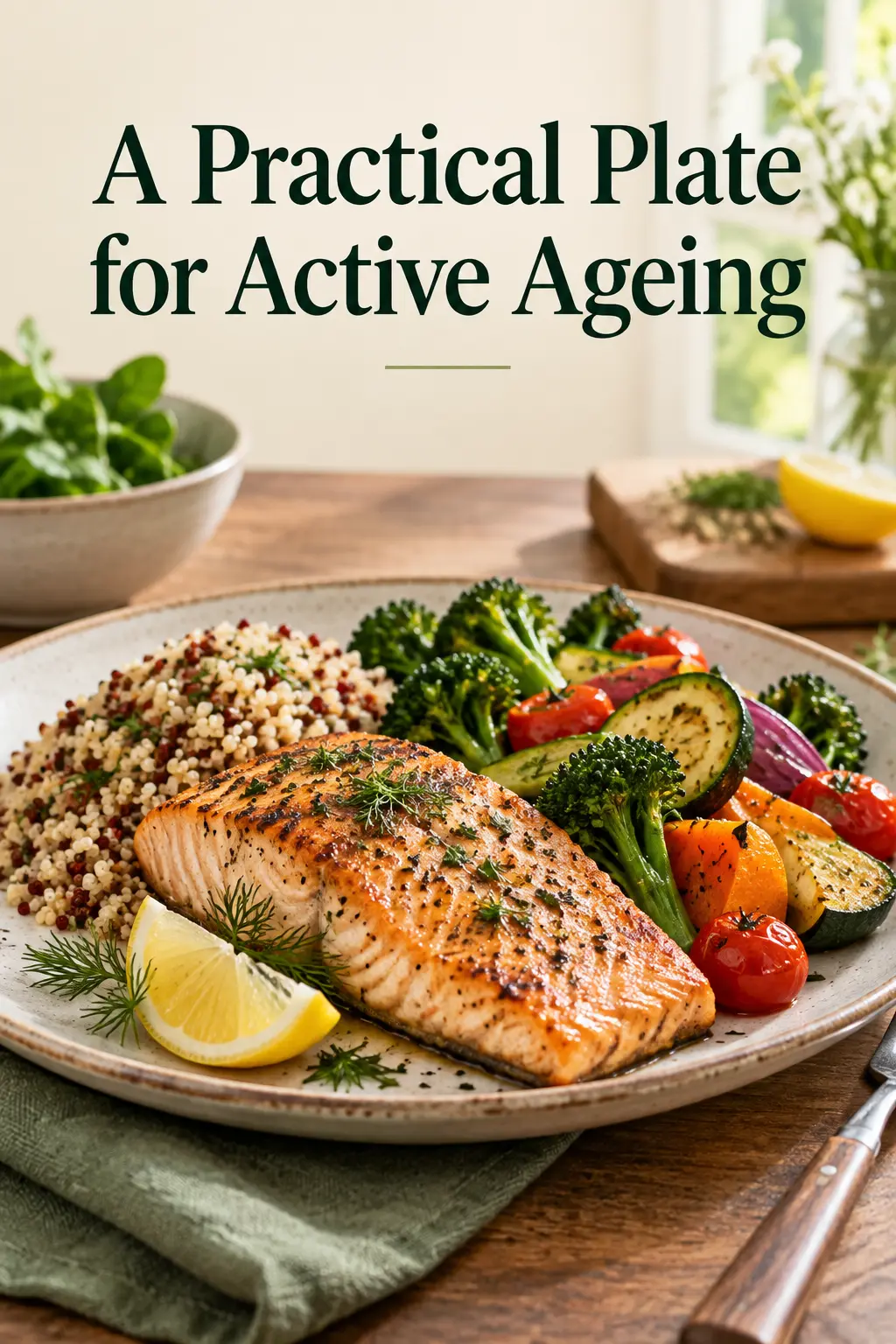
Breakfast might include eggs, yoghurt, milk, fortified soya alternatives, beans or tofu. Lunch could use fish, chicken, lentils, beans or cottage cheese. Dinner can repeat the same simple pattern: protein food, vegetables or fruit, and a carbohydrate that suits the meal.
Spreading suitable choices across the day is often easier than trying to repair a low-protein day with one very large evening portion.
Where supplements fit
A protein powder can be convenient when appetite, travel or timing makes food difficult, but it is not compulsory. Check the ingredients, serving size, allergens and cost. It should complement a useful eating pattern rather than displace varied meals.
When clinical advice matters
People with kidney disease or another condition affecting dietary protein should follow their clinical team. Seek help if poor appetite, unplanned weight loss, swallowing difficulty or another symptom is making it hard to eat enough.
Choose one meal that regularly lacks protein and improve that meal first. A repeatable breakfast or lunch upgrade is more valuable than a perfect plan used once.