 The Strength Years
Strength-supportive habits
What to eat after strength training when you are over 50
A normal meal with protein, carbohydrate and fluid is usually enough. Recovery does not depend on beating a stopwatch.
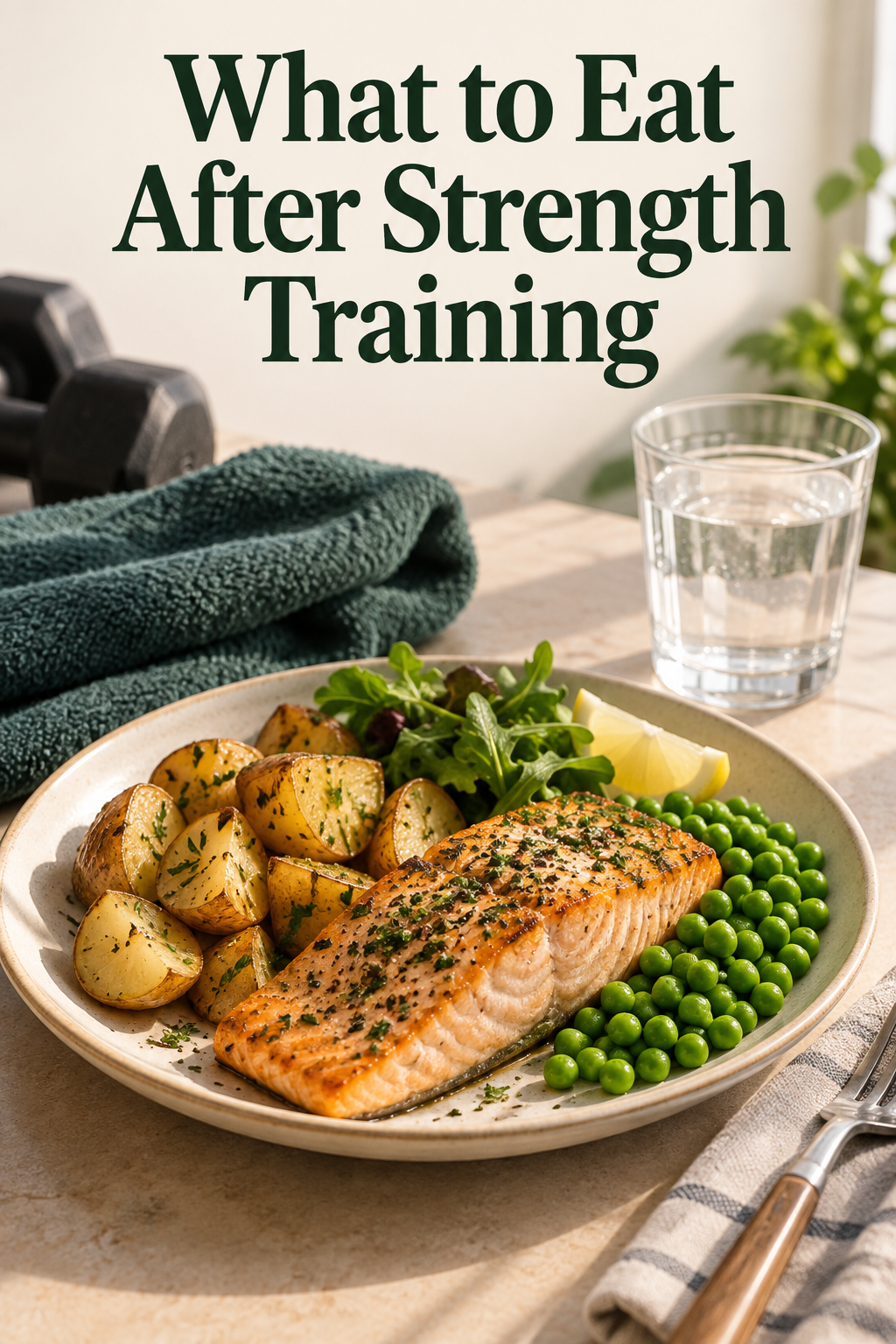
Strength training provides the stimulus; food supplies energy and building material. The useful post-training plan is therefore simple: eat a protein-containing meal, include carbohydrate if the session was demanding, and replace the fluid you lost.
The simple recovery plate
- A clear protein food: fish, eggs, dairy, meat, tofu or pulses.
- A carbohydrate you digest well: potatoes, rice, oats, bread, pasta or fruit.
- Vegetables or fruit for overall diet quality.
- Water, with more attention to fluid after a hot or sweaty session.
You do not need a 30-minute race
The post-exercise period is useful, but recovery is not a tiny window that slams shut. If a normal meal is due within a couple of hours, eat that. If the next meal is much later, use a bridge snack such as yoghurt and fruit, milk and a banana, eggs on toast, or hummus with pitta.
Three realistic meals
Try salmon, potatoes and peas; a bean and chicken chilli with rice; or tofu, noodles and vegetables. Vegetarian meals can work well when the portion of pulses, tofu, tempeh, dairy or eggs is substantial rather than decorative.
When appetite is low
Use smaller, softer foods: thick yoghurt with fruit, milky porridge, scrambled eggs on toast, or soup enriched with lentils and yoghurt. A shake is a convenience when food is impractical, not a requirement for recovery.
What matters beyond one meal
Consistent training, enough total food, regular protein-containing meals and sleep matter more than a perfect recovery snack. If you train late, a balanced evening meal can be the recovery plan.
Important limits
Seek individual advice if you have kidney disease, diabetes requiring meal or medication planning, swallowing difficulty, unexplained weight loss or a clinician-set fluid restriction.
Make the next meal easier
Use the free Strong Table 10-recipe sampler for practical meals that fit ordinary training days.
Sources
- British Nutrition Foundation. Protein: nutrition information.
- Bauer J, Biolo G, Cederholm T, et al. Evidence-based recommendations for optimal dietary protein intake in older people. JAMDA, 2013.
- NHS. 8 tips for healthy eating.
Sources and links reviewed on 15 September 2026.
General education only, not medical advice. Food cannot diagnose or treat injury, frailty or disease.